
Case Study
Beyond Plastics: Unexpected Applications for Cast-In Thermal Components
In many industries, cast-in heaters have become the standard solution of choice because of their consistency, reliability, and longevity. They’re a go-to technology for plastics processing uses such as thermal forming and injection molding, thanks to their ability to provide consistent melt temperatures. They’re also widely relied on for creating high-quality, defect-free wafers for computers and electronics.
But the versatility of cast-in thermal components often makes them the perfect solution for applications that break the mold. In his 18 years of work with cast-in heating, Territory Sales Manager Mike has worked with Tempco’s engineering team to accommodate some surprising needs.
Mike shared five standout, unexpected cast-in heating applications that he and the Tempco team helped make a reality.
Wastewater Aerators
Many utilities use outdoor ponds or lagoons to hold and treat wastewater, such as treated sewage or stormwater runoff, before it can be safely released into rivers or the ocean. A key part of treating the water is to supply it with oxygen, which speeds up the natural processes that can break down pollution. Tempco worked with a customer to embed cast-in heating components beneath the motors in aerators for wastewater ponds to keep them from freezing up during the winter months.
Brake Rotors
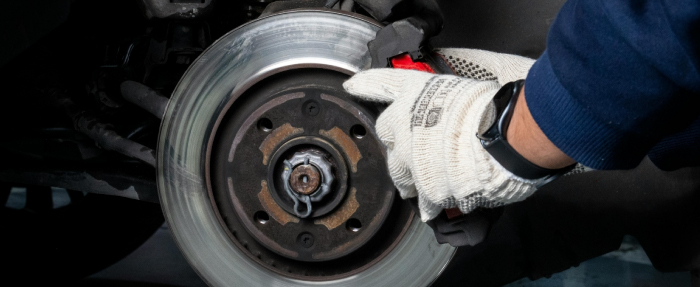
An automotive client used specialized cast-in heaters to assemble brake rotors. Platens were positioned at the top and bottom of two halves of the rotor components to compress and fuse them together. (Surrounding parts used to encapsulate the rotor shims were also treated with Tempco cartridge heaters.) “The platens are a good fit not only for function, but durability”.
French Fry Warmers and Toaster Systems
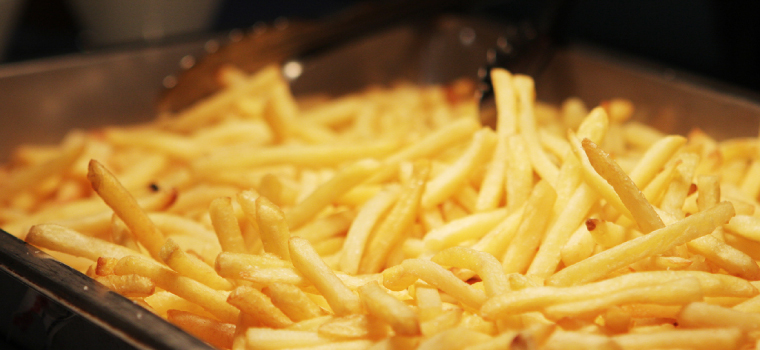
Cast-in heating is frequently used in the food service industry for a variety of machines, such as commercial toasters. Tempco was asked to produce cast-in platen heaters that would sit under a bay that holds fries in restaurants to keep them warm.
“It gives a better heat transfer as the tray lays directly on top of the heater, instead of using tubulars that wind back and forth.”
Aerospace Vacuum Systems
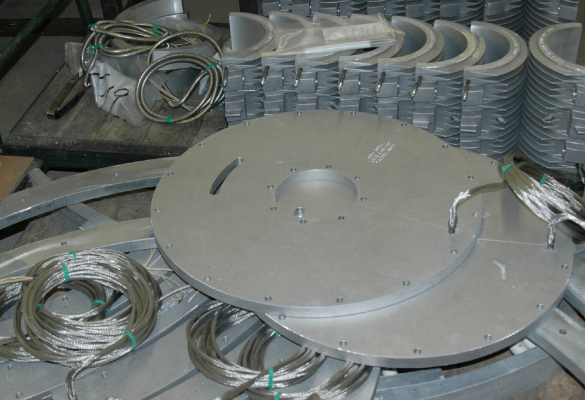
Tempco cast-in platens were used in vacuum chambers to conduct thermal testing for satellite systems. The platens had the advantage of being airtight vs. other porous heating options that could have shorted out the elements or hurt performance.
Aircraft Carrier Lifts
Tempco-manufactured cast-in cooling barrels were used to chill the motors for hydraulic lifts that position planes on Naval aircraft carriers. Although it wasn’t a heater, Mike considers it the most unique cast-in project he’s worked on, given its nature and the size of the equipment. “They’re huge,” Mike said. “I’ve seen them and you need a crane to move them around.”
Custom-Made Solutions for All Challenges
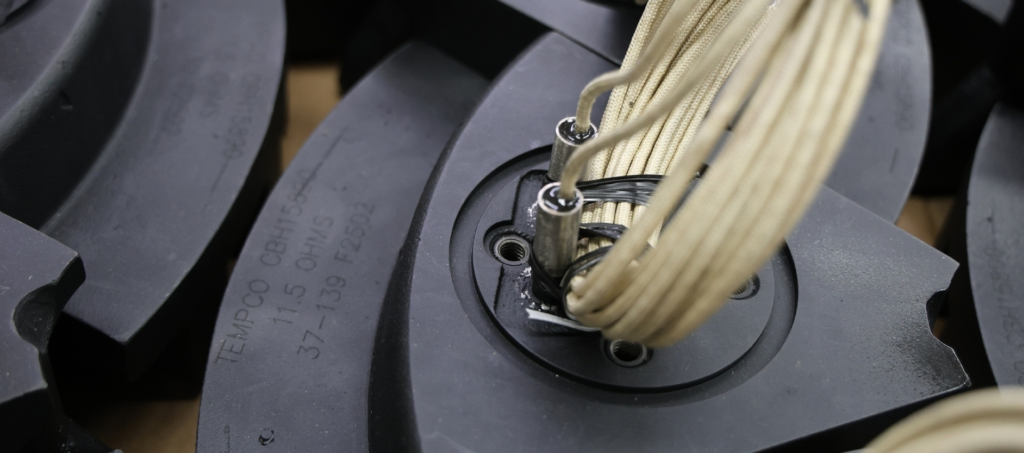
No matter how novel or unorthodox the need, Tempco’s facilities and engineers have the ability to create a one-of-a-kind cast-in heater to handle it. Tempco’s inhouse customization capacity includes its own foundry, state-of-the-art inductive furnace, machine shops, and highly experienced engineers. Tempco will always stand by its products – if they’re not effective due to a design or manufacturing flaw, Tempco will issue a return ticket to have the product shipped back and reviewed by engineering to determine the cause of failure. We do stand behind our products and will repair or replace if found to be a manufacturing defect.
It takes a lot of engineering time, figuring out the shapes and cuts and contours that a cast platen has to have. Some of them have very specific machine tolerances, which we have the equipment to handle.
Even if you’re a customer working on a project that doesn’t require a high volume of heaters, Mike encourages you to contact Tempco to discuss the options and put together a plan. In the rare event that Tempco can’t handle an order, the staff will help find a partner that can.
“We don’t walk away from anything unless it’s absolutely outside of our capabilities,” he said. “Normally our minimum quantity is one piece.