
Case Study
The Complete Guide to Choosing the Right Enclosure Heater for Your Application
Thinking Inside the Box: Choosing the Right Enclosure Heater
If you’re weighing options for an enclosure heater, it’s best to think “inside the box.” The control panels and cabinets that depend on enclosure heaters contain wiring and components that can only function in specific temperature and moisture ranges, and those needs must guide the selection of a heater.
Enclosures heaters are a critical source of protection for equipment located in outdoor settings with harsh conditions. The wrong choice can lead to a costly failure.
Tempco carries four types of enclosure heaters specially designed to meet a range of challenges. They include:
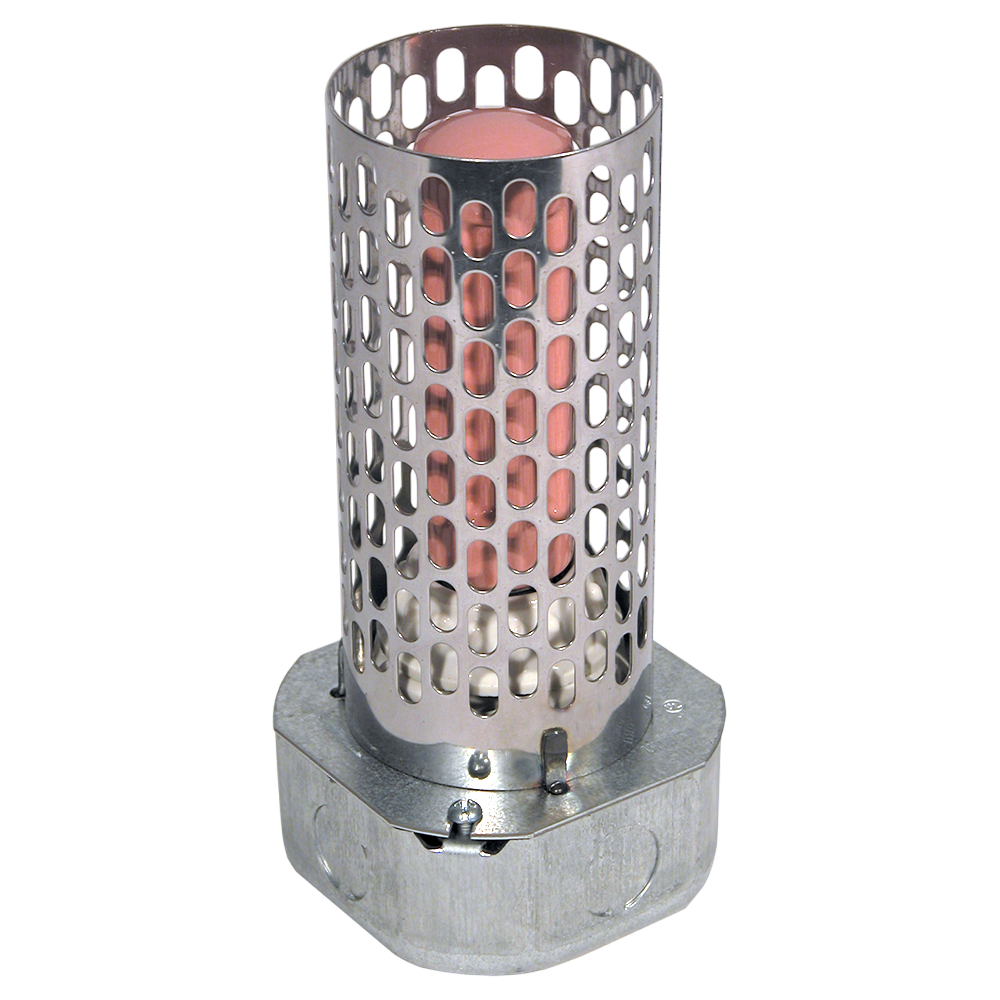
Ceramic E-mitters: Feature a resistance coil embedded in ceramic and emit infrared heat. They are good for radiant heating and can respond quickly through temperature changes.
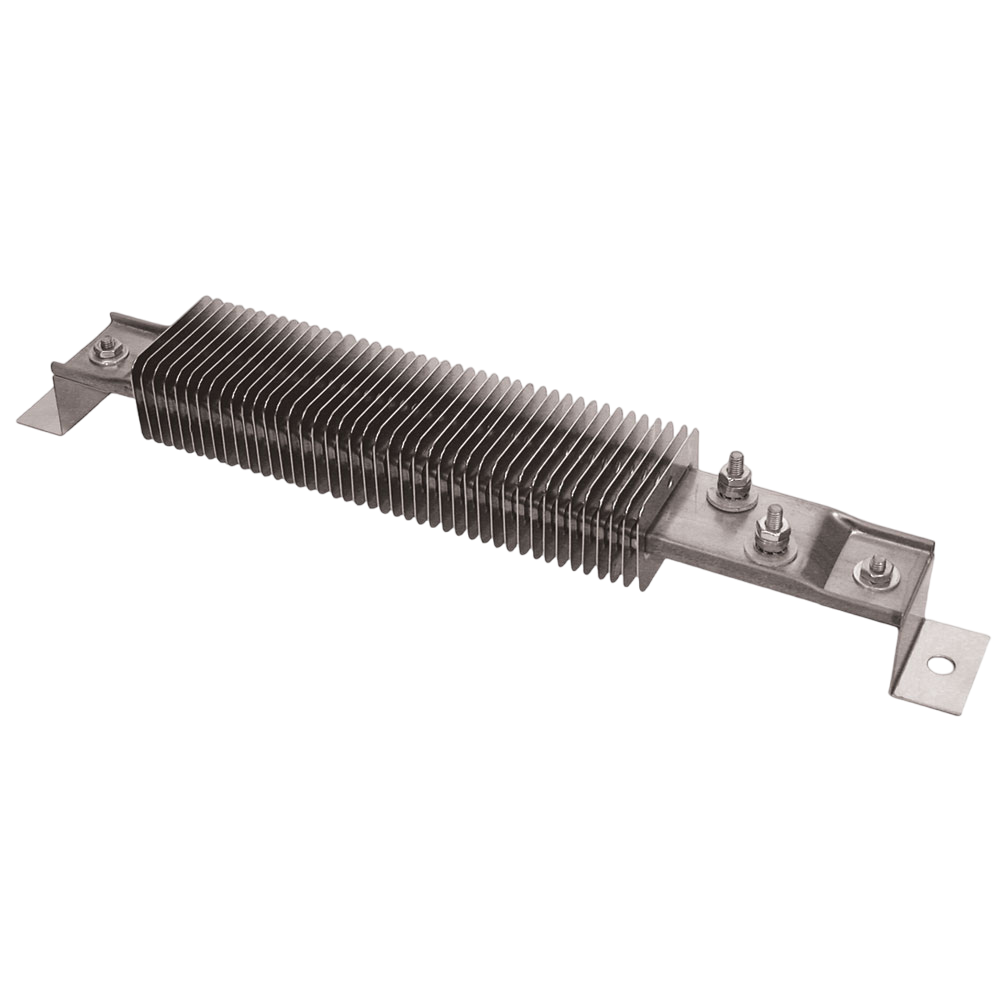
Finned Strip Heaters: Consist of a strip heater (helically wound resistance coil placed in a specially designed ceramic insulator) enclosed in a metal sheath, with fins attached to increase convective surface area. They are rugged, efficient for heating air in enclosures via convection (either natural or forced), and are available in many sizes with various electrical termination options.
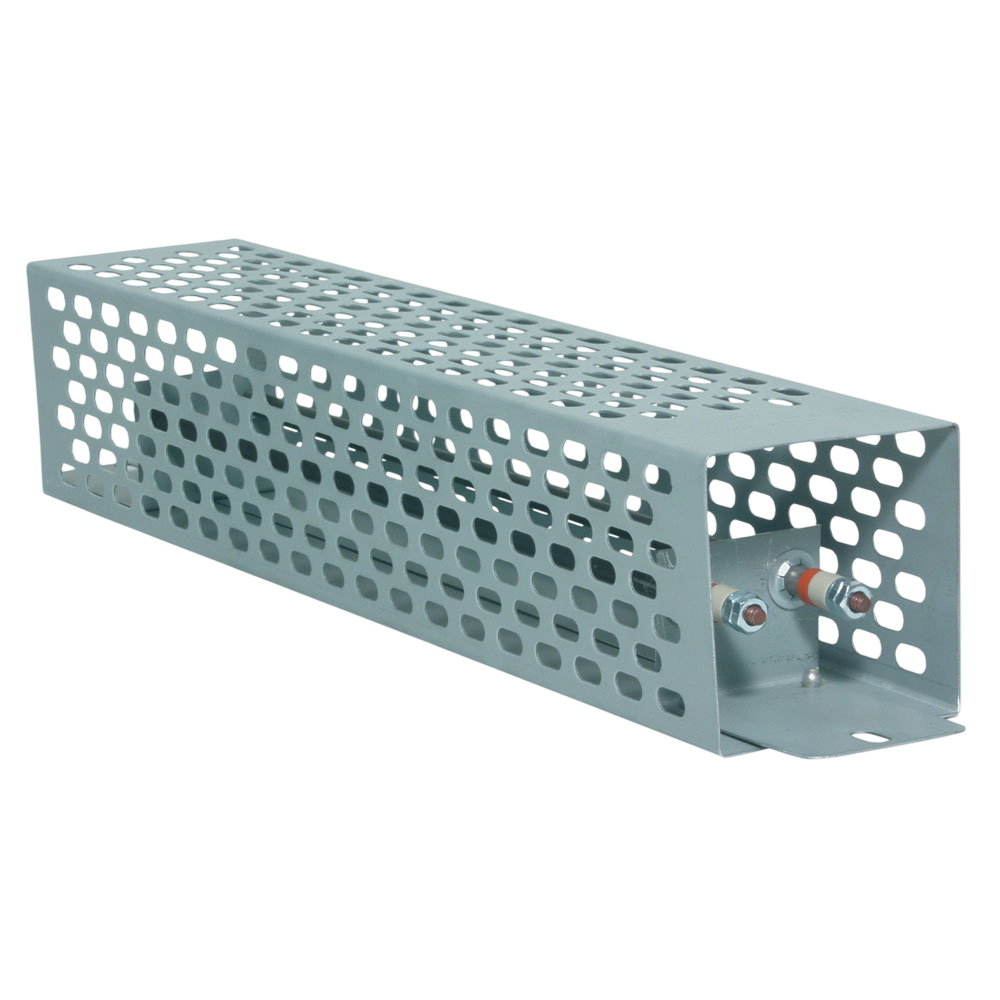
Tubular Heaters: Use Incoloy (or other suitable alloy) tubular heating elements in either open or box-style enclosures. They are versatile in terms of shape, mounting, sheath material, watt density, and environment, and are capable of meeting demanding applications.
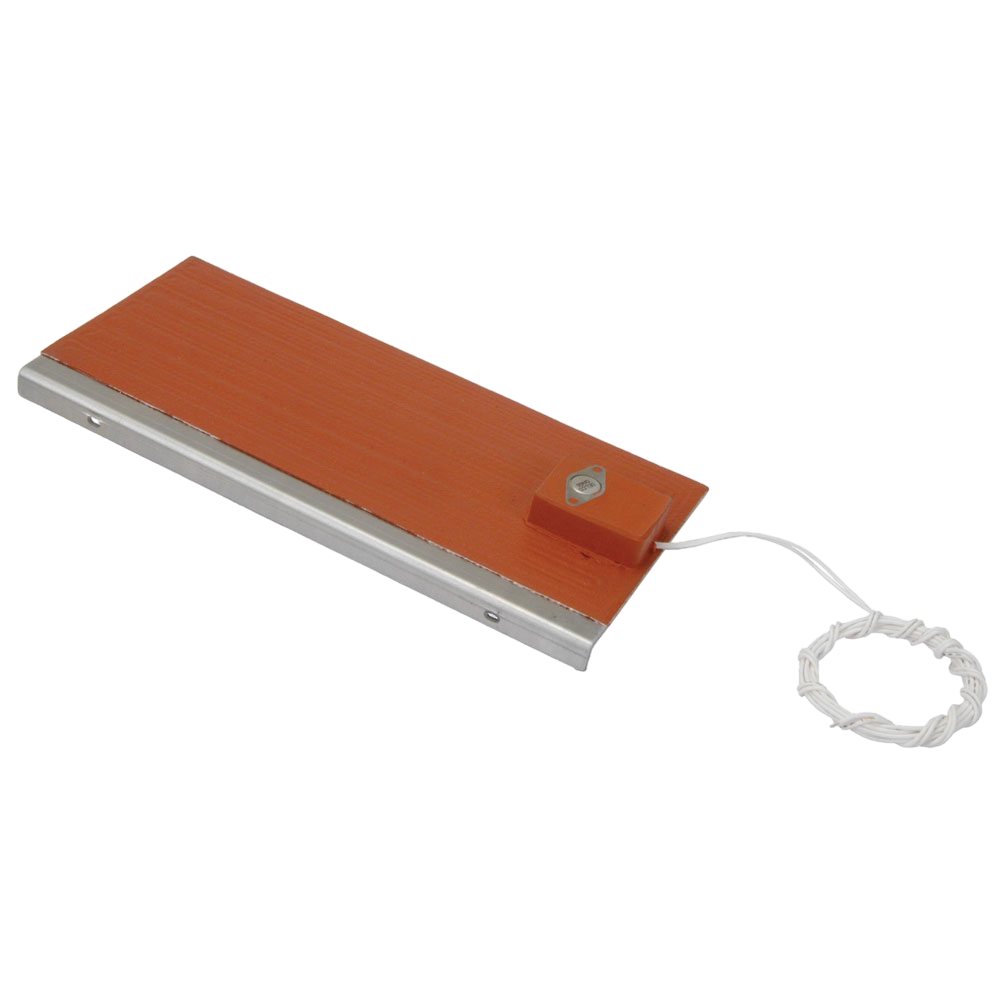
Silicone Rubber Heaters: Flexible, flat wire-wound heaters encapsulated in silicone rubber, sometimes vulcanized to metal plates. They can accommodate odd shapes, limited space, cutouts, and varied lead/terminal configurations, and are generally Intended for lower to moderate watt densities.
Hot Tips for Selection
The best place to start when considering an enclosure heater is to take stock of your temperature needs and the size of the cabinet. The answer will typically eliminate some options and move others up to the top of the list. For example, Tempco’s tubular heaters are a go-to for spaces with high temperature needs. Capable of reaching 800-900 degrees, tubular heaters are encased in sheet metal housing that prevent sensitive objects from getting too close or making contact with the elements. Even so, the intensity may be too much for some applications. At 30-40 watts per square inch, finned strip heaters can also reach the high end of the temperature range for enclosure heaters. Users considering these should ensure the enclosure has proper air flow so they don’t face the risk of burnout. A silicone rubber heater is often the right fit for moderate heating needs. The devices are generally used for enclosures that need to be kept warm and dry. Customers should view the detailed information in the Tempco catalog on wattages and sizes of standard enclosure heaters to help zero in on the best match for their needs.
Common Mistakes
It makes sense to follow the Goldilocks model when selecting an enclosure heater: find one that’s not too hot, not too cold, but just right. However, customers sometimes make the mistake of choosing a style that they like the idea of, whether or not it’s practical. The most common error people make is to place heaters in enclosures that are too powerful for their needs, according to Filip, Tempco’s engineering manager for cartridge heaters and channel strip heaters. “Maybe they’re trying to save on space by getting one heater with a higher watt density than ordering more heaters with lower watt densities,” Filip said. “They could fail by overheating in this type of situation.” This is often the case when there’s a combination of a strong heater and a lack of proper ventilation or temperature moderation. Many Tempco enclosure heaters have built-in thermostats or are connected to safety sensors that can be used to regulate the temperature and shut down if needed.
“For most of the heaters we use in enclosures, if they’re not controlled or if there’s no continuous air flow, they have enough wattage that they’re going to glow red,” Filip said. “Controlling it is important.”
Tempco Design Engineer Neal has seen customers make the opposite error, choosing silicone heaters that are too small for their panels in an attempt to save money. In reality, they would have been better off buying another heater style or buying enough silicone units to get the job done, he said. Buyers sometimes also don’t consider whether silicone materials can impact other components inside the enclosure. The rubbery material in silicone heaters will naturally out-gas over time, producing small amounts of residue inside, according to Neal. When in doubt, it’s best to contact Tempco to check whether there’s any chance of an issue. “If it’s a very sensitive type of cabinet with electronics inside, some of that outgassing can impact the devices, so you need to be mindful of that” Neal advised. “Tempco de-gasses them in advance to a large extent, but you can’t get all of that out or it won’t be rubbery.”
Here to Help
Customers will occasionally reach out to Tempco looking for heaters that are different or larger than the standard items in the catalog. Tempco has the expertise to advise when there is a better path forward and the capacity to create custom solutions when needed. “Usually the situations have been someone asking, ‘Instead of 300 watts can you give 800 watts?’ And we’ll tell them the situation is such that we can make it, but we don’t recommend that heater, and here is a different size that we have to offer that in,” said Javier, the engineering manager for process heaters at Tempco. Finding the right enclosure heater for your industry or application isn’t always easy, but Tempco’s highly knowledgeable engineering and sales personnel are always ready to assist. Our team can make recommendations on the best heater types, quantities, and installation plans given your specifications. Contact Tempco today for personalized recommendations based on your specific requirements. You can also download our complete Enclosure Heaters specification guide to compare technical details and performance data. If you find what you need, you can request a detailed quote using our easy online form.
Solving Unique Challenges? We Have Your Back.
Tempco’s engineering team is here to collaborate and create tailored solutions for your needs.
Ensure your heating system operates at its best.